

Why This Programme Matters
Many people in rural and low-income communities delay seeking medical care because of cost, distance or limited health information. Conditions such as malaria, high blood pressure, high blood sugar and infections can become dangerous when they are not identified and treated early.
What We Do
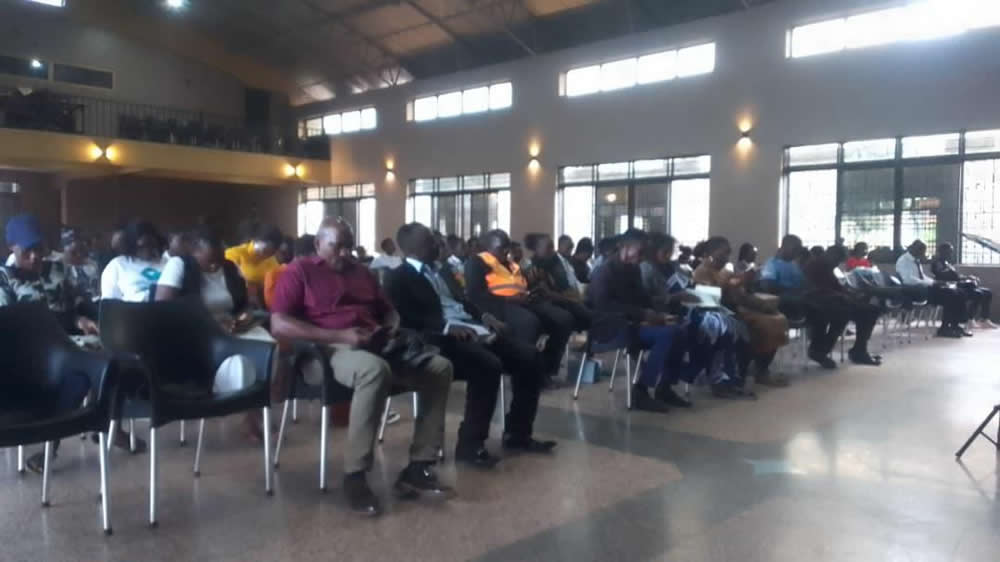
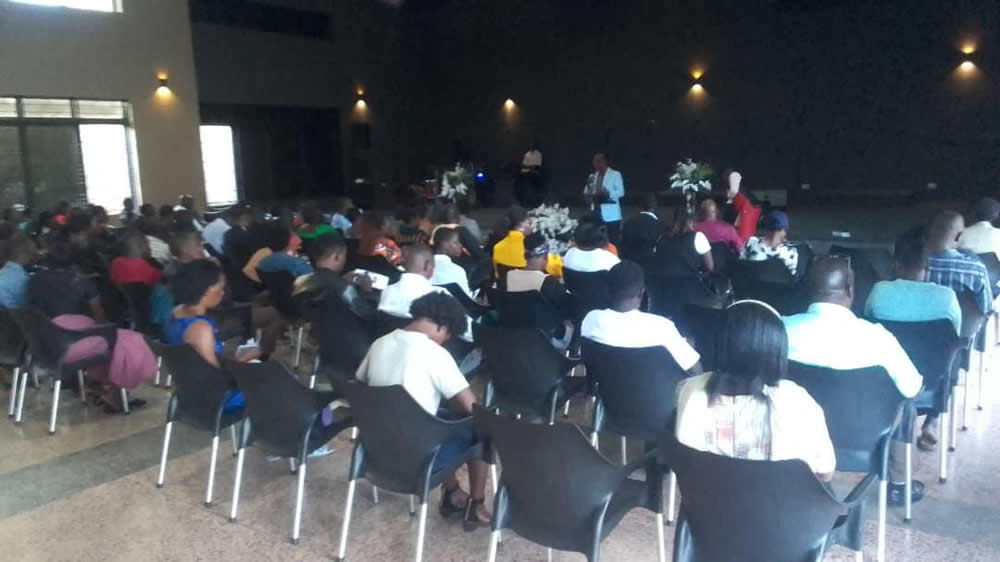
We deliver practical health talks for children, adolescents, adults and families on prevention, early warning signs, hygiene, nutrition, healthy lifestyles and when to seek professional care. Our role is to improve knowledge, promote early testing and treatment, and strengthen referral into qualified health services.
We provide age-appropriate, culturally sensitive and evidence-informed education for adolescents, young people and adults on puberty, menstrual health, reproductive health, healthy relationships, consent, abstinence and delayed sexual activity, the risks of unprotected sex, safer-sex practices, contraception information, sexually transmitted infections and responsible decision-making.
We educate adolescents and communities on preventing unintended and adolescent pregnancy through informed choices, abstinence and delayed sexual activity, contraception information and access to qualified reproductive-health services. We also raise awareness of the serious risks of unsafe or unregulated abortion and encourage people facing an unintended pregnancy or abortion-related complication to seek confidential care from appropriately qualified, lawful health services. Where needed, we support referral for post-abortion care, safeguarding and psychosocial support without stigma or judgement.
We address sexual harassment, coercion, exploitation, rape, child sexual abuse and other forms of gender-based violence, with particular attention to adolescent girls and vulnerable young people. Education covers consent, boundaries, recognising grooming and unsafe situations, how to seek help, bystander responsibility and available reporting pathways. Survivors should be treated with dignity and referred promptly to survivor-centred medical, psychosocial, safeguarding and legal support where available.
We provide accurate information on HIV and other sexually transmitted infections, including how transmission occurs, how it can be prevented, the importance of voluntary testing and counselling, and how to reduce stigma. Outreach can include or refer for HIV testing, prevention services and linkage to antiretroviral treatment. We are careful not to describe HIV as curable; with effective treatment, people living with HIV can live long and healthy lives.
We raise awareness of TB symptoms, transmission, the importance of early testing and completing prescribed treatment. People with persistent cough, unexplained weight loss, fever, night sweats or known exposure should be referred promptly for appropriate clinical assessment. TB is treatable and curable when properly diagnosed and the full course of treatment is completed.
Our malaria work includes education on mosquito-bite prevention, appropriate use of insecticide-treated nets, reducing mosquito breeding around homes, recognising symptoms and seeking prompt testing and treatment. Children under five and pregnant women require particular attention because they can be more vulnerable to severe malaria.
We link typhoid prevention closely with WASH: safe water, sanitation, hand hygiene and safe food handling. We discourage self-diagnosis and inappropriate antibiotic use, promote professional testing and clinical assessment, and support referral for appropriate treatment. Community education can also include information on typhoid vaccination where recommended and available.
We support health education and referral on antenatal care, maternal wellbeing, newborn and child health, immunisation awareness, nutrition, breastfeeding, growth, hygiene and recognition of danger signs that require urgent professional care.
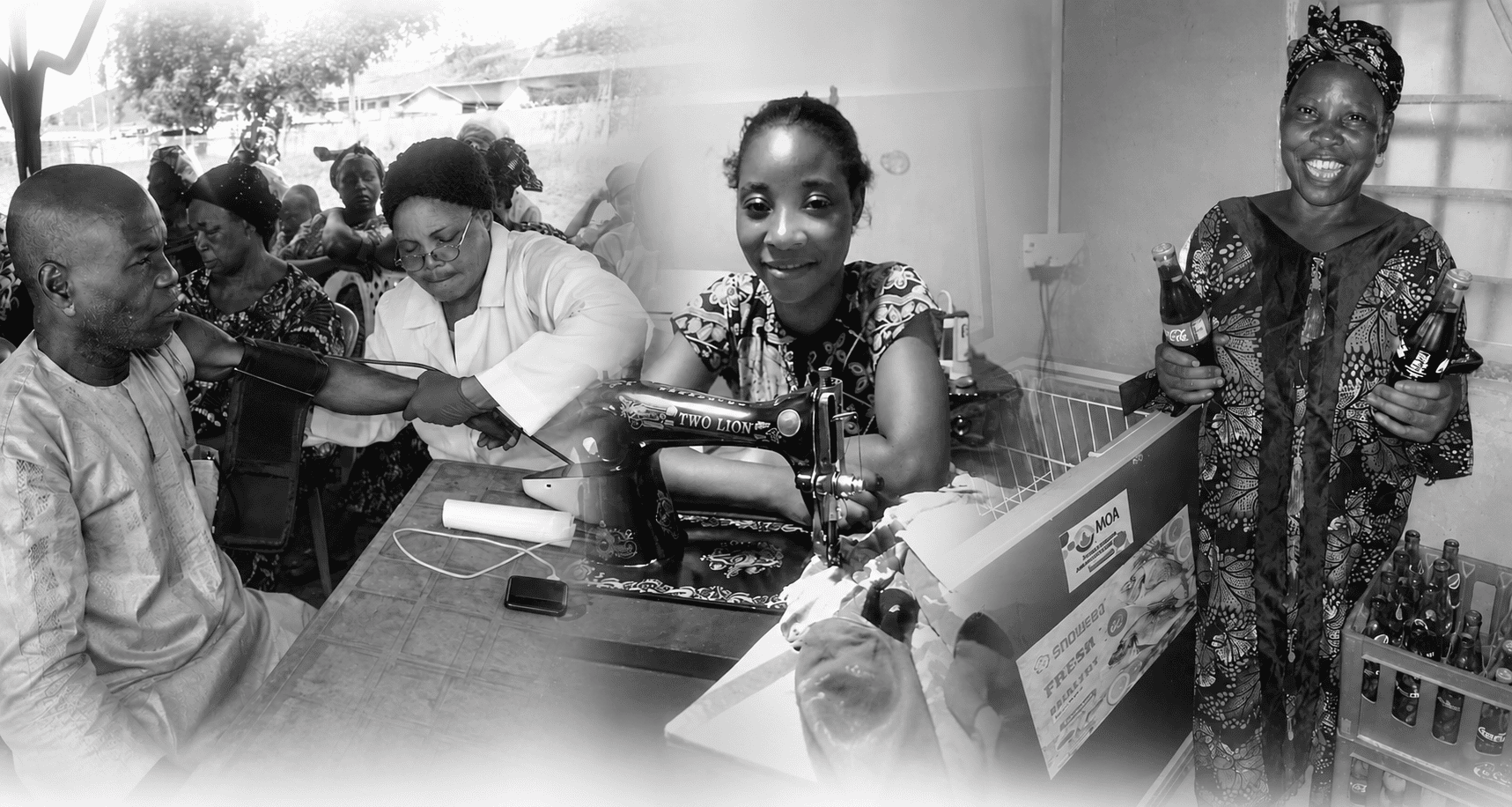
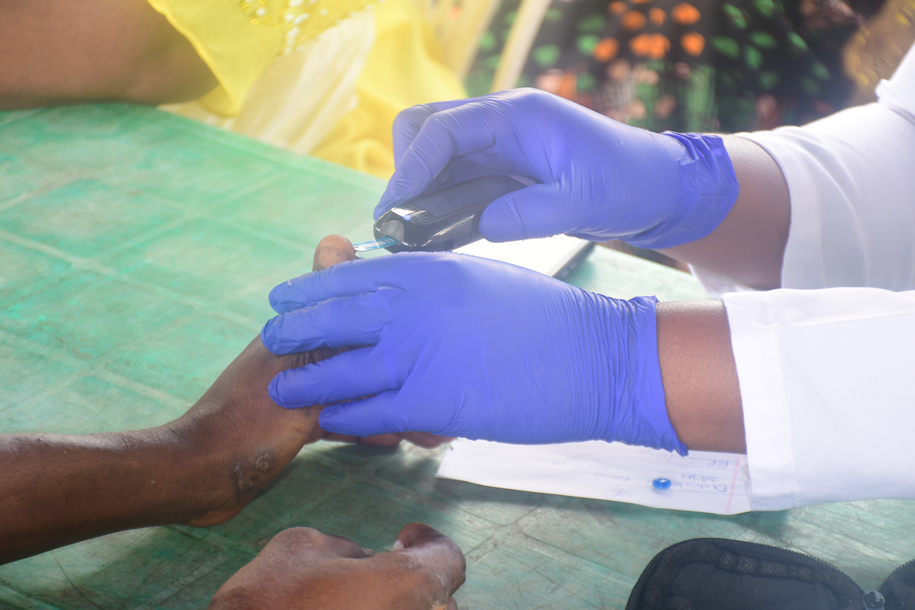
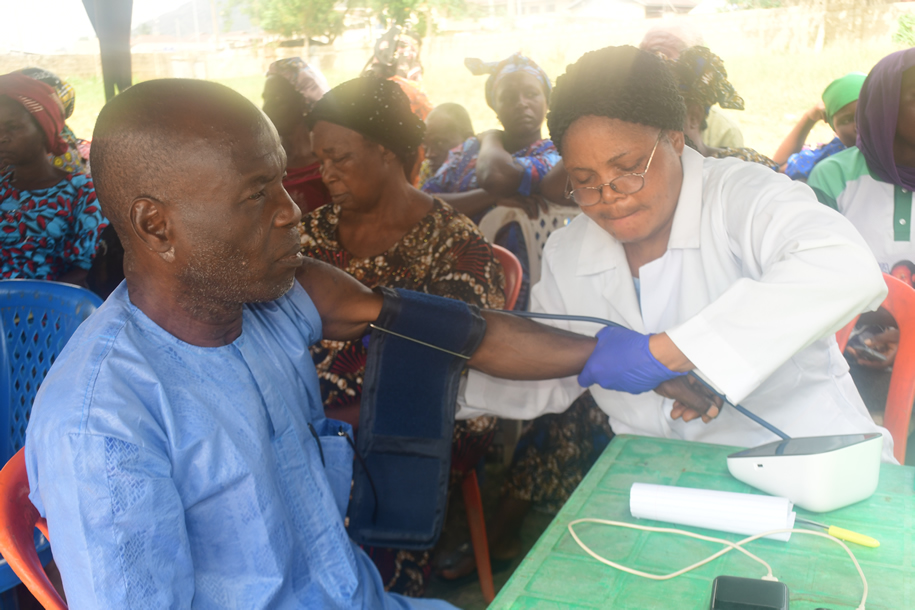
Our outreach teams provide services such as malaria testing, typhoid testing where clinically appropriate, blood pressure checks, blood sugar testing, wound assessment and dressing, and basic medical consultation.
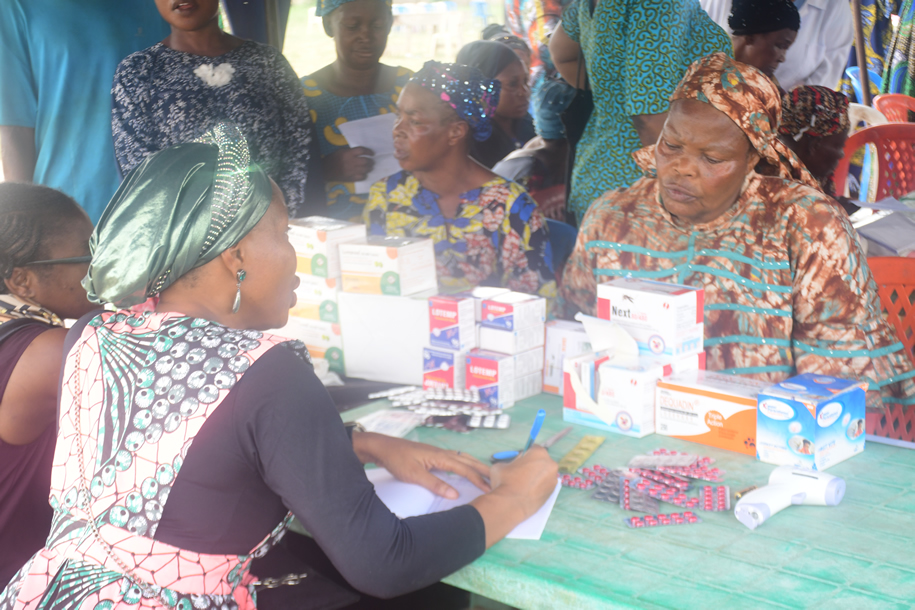
Subject to clinical assessment and available supplies, we provide medication for conditions identified during the outreach, including malaria, typhoid, high blood pressure, pain relief and vitamins. All medication is administered or dispensed with professional guidance.
We teach families about malaria and typhoid prevention, hygiene, wound care, nutrition, blood pressure, blood sugar, child health and healthy lifestyle habits.
We provide clear information on HIV, sexually transmitted infections, Hepatitis B, Tuberculosis, malaria and other preventable conditions, with an emphasis on prevention, early testing, stigma reduction and timely care.
Age-appropriate education covers reproductive wellbeing, healthy relationships, family planning awareness, teenage pregnancy prevention and informed health decisions.
Where a person needs further investigation or ongoing care, the medical team provides appropriate advice and encourages referral to suitable health services.
Who We Support
- Children and families with limited access to healthcare
- Women, men and older adults in underserved communities
- People who have not had routine blood pressure or blood sugar checks
- People at risk of preventable infectious diseases
- Adolescents and young adults who need reliable health information
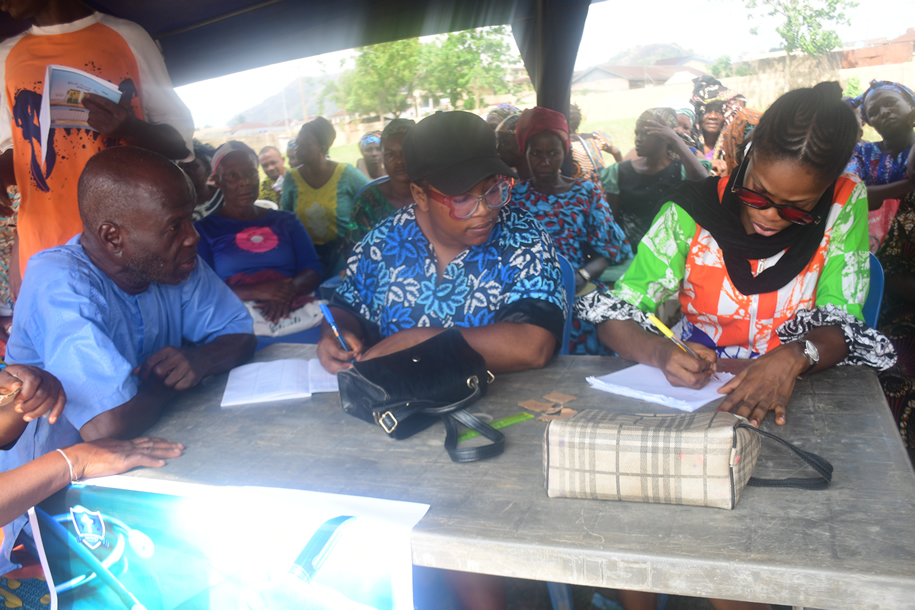
- Communities reached through TLM Gospel Crusade and partner outreaches
Our Intended Outcomes
- Earlier identification of common and potentially serious health conditions.
- Improved access to basic treatment and medication.
- Greater understanding of disease prevention and healthy living.
- Reduced stigma and misinformation around infectious and reproductive health.
- Stronger health-seeking behaviour and appropriate referrals.
Long-term Vision
We aim to expand the reach and frequency of our medical missions, develop permanent outreach centres and children’s health clinics, and work towards dedicated paediatric facilities as resources and partnerships grow.
Help bring healthcare within reach.

Voices of Impact
I did not know my blood sugar was high until they tested me at the TLM outreach. The medical team explained everything and gave me medication. I now understand how to manage my health.
Baba Sunday,
Ikare

During the TLM crusade, they checked my blood pressure and discovered it was dangerously high. The doctors treated me immediately and gave me free medication. I feel stronger now. This outreach truly saved my life.
Mr Nnamdi,
Achalla