

Why This Programme Matters
Flooding, heat, drought, changing rainfall patterns, water scarcity, food-price shocks and environmental degradation can deepen poverty and increase health and livelihood risks. Communities need clear information, practical tools and locally appropriate solutions that help them prepare, adapt and recover.
What We Do
We provide accessible education on what climate change is, how it affects health, water, food, livelihoods and local ecosystems, and the practical actions households, schools and communities can take to reduce risk and protect their environment.
We aim to support climate clubs, school talks, environmental learning activities, tree care, water conservation, waste reduction and age-appropriate climate literacy so children can understand environmental change and become responsible stewards of their communities.
We equip young people to participate in climate action through peer education, community mapping, environmental volunteering, green entrepreneurship, recycling and repair initiatives, climate-smart agriculture, digital climate communication and other emerging green skills.
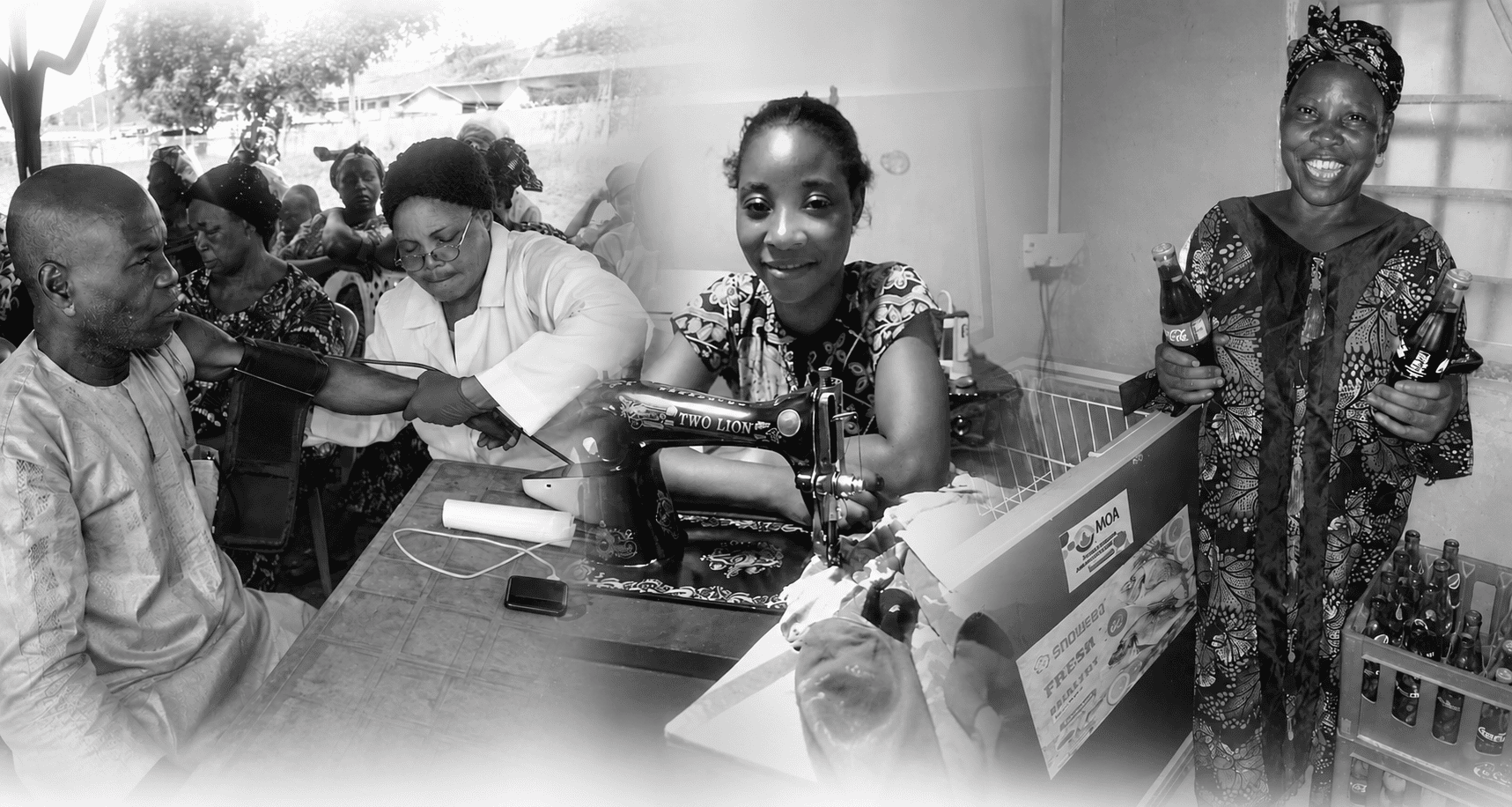
We support women, including widows and single mothers, to strengthen livelihoods that are resilient to climate shocks. Potential activities include climate-smart farming, food processing, sustainable small enterprises, efficient use of water and energy, and women-led community adaptation initiatives.
We promote practical approaches such as water-efficient growing, soil protection, crop diversification, composting, better post-harvest handling and locally suitable farming methods that can improve household food security and resilience to changing weather patterns.
Working alongside our WASH programme, we help communities understand the relationship between climate change, water scarcity, flooding, contamination and disease. We promote safe-water planning, water conservation, household water safety and resilient community water systems.
We encourage waste separation, reuse, repair, recycling, composting and community clean-up activities, while exploring livelihood opportunities that turn reusable materials into useful products or income.
We support community awareness and locally appropriate activities around tree planting and care, erosion reduction, restoration of degraded spaces, biodiversity protection and other nature-based actions that can improve local resilience.
We promote awareness of energy efficiency, solar and other appropriate clean-energy options, and cleaner household practices that can reduce pollution, lower costs and improve health where feasible.
We help communities identify local climate hazards such as flooding, extreme heat, drought and storms; strengthen preparedness plans; protect vulnerable households; and connect people with appropriate early-warning and emergency information.
We integrate education on climate-sensitive health risks, including heat stress, changing patterns of mosquito-borne disease, waterborne illness, nutrition and the health effects of flooding, poor air quality and unsafe water.
As our capacity grows, we aim to support simple community assessments, baseline information, participatory mapping and outcome monitoring so that climate projects are based on evidence and can demonstrate measurable results.
We aim to develop well-defined, fundable community climate projects with clear needs, activities, budgets, safeguards and measurable outcomes. Through technical and funding partnerships, we want to help communities access grants and climate-finance opportunities for adaptation, resilience and sustainable livelihoods. MOA Foundation does not present itself as a financial institution; our role is community programme development, implementation, partnership and responsible grant management.
Who We Support
- Women, widows and single mothers whose livelihoods are vulnerable to climate shocks
- Children and schools needing climate and environmental education
- Young people seeking climate leadership, green skills and livelihood opportunities
- Farmers and rural households affected by drought, flooding or changing rainfall
- Communities facing water scarcity, flooding, erosion or environmental degradation
- Local leaders and community groups seeking practical adaptation and resilience support
Our Intended Outcomes
- Improved climate knowledge and practical preparedness at household and community level.
- Women and young people participating in resilient, greener livelihood opportunities.
- Stronger food, water and health resilience in climate-vulnerable communities.
- More youth-led and school-based environmental action.
- Reduced waste and stronger local stewardship of land, water and natural resources.
- Community climate projects that are better designed, measurable and ready for responsible funding partnerships.
Current foundation and future development
This programme builds naturally on MOA Foundation’s existing work in clean water, WASH, community development, agriculture, youth empowerment and women’s livelihoods. Some climate-specific activities are being developed as the Foundation strengthens its technical capacity and partnerships. Website content should distinguish clearly between completed projects, active programmes and future or funding-ready initiatives.
Long-term Vision
Our vision is to establish community climate-resilience projects that link clean water, food security, women’s economic empowerment, youth green skills, environmental restoration and disaster preparedness, while building the systems and evidence needed to attract responsible climate and development finance.
Help communities prepare, adapt and thrive.

Voices of Impact
I did not know my blood sugar was high until they tested me at the TLM outreach. The medical team explained everything and gave me medication. I now understand how to manage my health.
Baba Sunday,
Ikare

During the TLM crusade, they checked my blood pressure and discovered it was dangerously high. The doctors treated me immediately and gave me free medication. I feel stronger now. This outreach truly saved my life.
Mr Nnamdi,
Achalla