

Why This Cause Matters
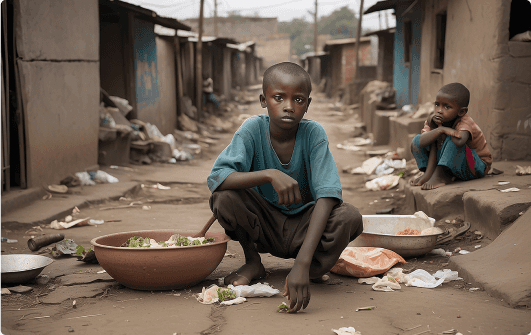
Preventable infectious diseases continue to affect millions of people, particularly in underserved communities where access to accurate health information, early diagnosis, and preventive healthcare is limited. Stigma, misinformation, and delayed treatment often worsen health outcomes and increase the spread of diseases such as HIV, Tuberculosis (TB), Hepatitis B, malaria, and sexually transmitted infections (STIs). Through education, awareness, and early intervention, communities can reduce transmission, seek timely care, and lead healthier lives.
Our Mission
We are committed to reducing the burden of infectious diseases by promoting awareness, encouraging early detection, combating stigma, and empowering communities with the knowledge and resources needed to prevent disease transmission.
What We Do
Our HIV, STI & Infectious Disease Prevention programmes focus on education, prevention, and community engagement to protect lives and improve public health.
HIV Awareness Campaigns
We educate communities about HIV prevention, transmission, testing, treatment, and the importance of eliminating stigma associated with the disease.
Tuberculosis (TB) Awareness
We educate communities on reproductive health, fertility, maternal wellbeing, and the importance of accessing appropriate healthcare services.
Hepatitis B Education
We provide education on Hepatitis B transmission, prevention, vaccination, and the importance of early diagnosis and treatment.
STI Prevention Education
We deliver comprehensive education on sexually transmitted infections, promoting prevention, responsible health practices, early diagnosis, and access to appropriate healthcare services.
Malaria Awareness
We educate families on malaria prevention, environmental sanitation, mosquito control, and the importance of early testing and treatment.
Community Health Campaigns
We organise outreach programmes, seminars, and awareness campaigns in partnership with healthcare professionals, schools, faith-based organisations, and community leaders to improve public understanding of infectious diseases.

Focus Areas
Our programmes cover a wide range of infectious disease prevention topics, including:
- HIV/AIDS Awareness
- Tuberculosis (TB) Prevention
- Hepatitis B Awareness
- Sexually Transmitted Infection (STI) Education
- Malaria Prevention
- Disease Prevention and Control
- Early Detection and Screening
- Health-Seeking Behaviour
- Vaccination Awareness
- Stigma Reduction and Community Education
Who We Serve
Our programmes are designed to reach individuals and communities most vulnerable to preventable infectious diseases, including:
- Adolescents and Young Adults
- Women and Girls
- Men and Boys
- Families
- Rural and Underserved Communities
- Schools and Educational Institutions
- Faith-Based Communities
- Community Groups
- Vulnerable Populations
Impacts & Outcomes
Through our infectious disease prevention initiatives, we strive to:
- Increase public awareness of preventable infectious diseases.
- Promote early testing and timely treatment.
- Reduce stigma associated with HIV and other infectious diseases.
- Encourage healthier behaviours that reduce disease transmission.
- Improve knowledge of vaccination and disease prevention.
- Strengthen community participation in public health campaigns.
- Support healthier and more resilient communities.
Featured Outreach
MOA Foundation has organised community awareness programmes focused on HIV, Tuberculosis, Hepatitis B, malaria, and sexually transmitted infections as part of its integrated health outreach initiatives. Through educational sessions, community engagement, health screenings, and collaboration with healthcare professionals and volunteers, we have equipped underserved communities in Nigeria with essential knowledge to prevent disease, seek early treatment, and make informed health decisions.
How You Can Help
Preventing infectious diseases begins with awareness and collective action. Your donation helps us organise community education campaigns, expand health screenings, develop educational materials, and reach more vulnerable communities with lifesaving information. You can also volunteer, partner with us, or advocate for disease prevention. Together, we can reduce preventable illnesses, combat stigma, and build healthier communities where everyone has the opportunity to thrive.